From October 15 to 17, 2025, the 10th International Symposium on Railway Operations Research(ISROR), hosted by the School of Traffic and Transportation, Beijing Jiaotong University, was successfully held at Xiyuan Hotel in Beijing. With the theme "Targeting Better Rail-backboned Multimodal Systems", this session invited 12 experts and scholars from 8 countries and regions including the United Kingdom, Germany, the Netherlands, Italy, Serbia, and Hong Kong, China to deliver keynote reports, conducting in-depth discussions on the frontiers of railway operation management and integrated transportation development. More than 200 experts, scholars, and students from universities and research institutions such as Beijing Jiaotong University, Tongji University, Southwest Jiaotong University, and China Academy of Railway Sciences attended the conference, jointly focusing on the innovative development and future prospects of the railway industry.
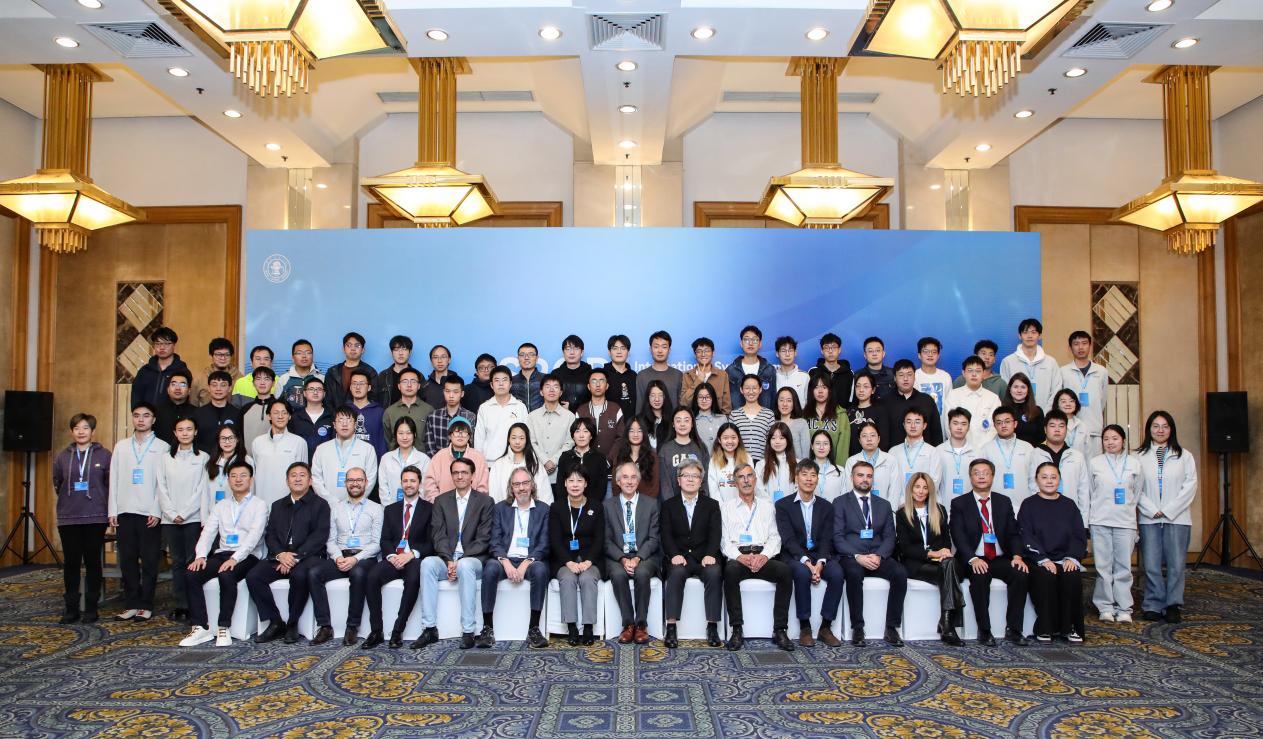
Group photo of participants
At 9:00 a.m. on October 16, the conference officially opened. Professor Nie Lei delivered an opening speech on behalf of the organizing committee. She introduced the achievements of the host institution, Beijing Jiaotong University, in talent training and scientific research innovation in the railway field, reviewed the development history of ISROR since its founding in 2013, and pointed out that after more than ten years of accumulation, the conference has become an important academic exchange platform in the international field of railway operation research. She emphasized that this conference will focus on the key role of railways in the integrated transportation system. Facing the new opportunities and challenges brought by digital and intelligent transformation, it is hoped that experts and scholars from around the world will conduct in-depth exchanges, share achievements, and jointly promote the integrated development of railways with various transportation modes.
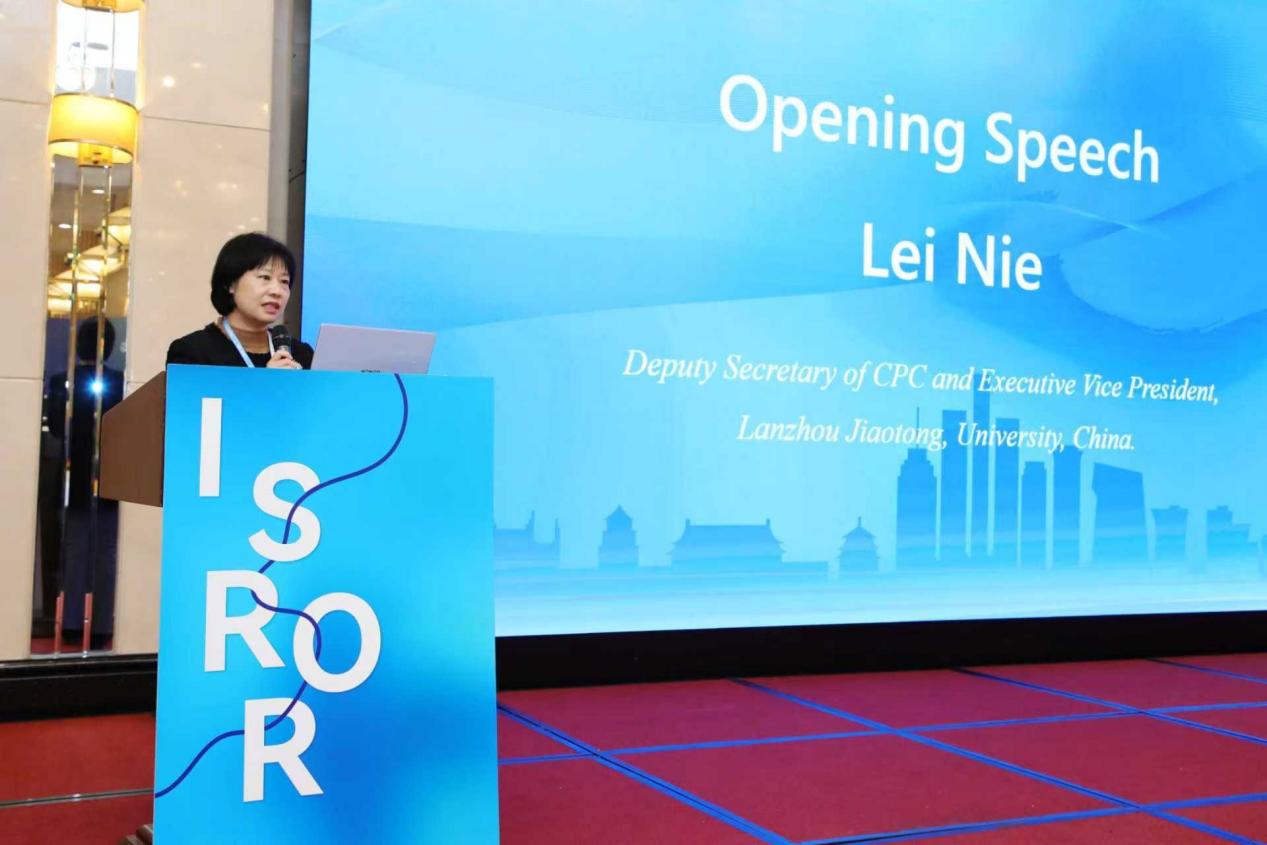
Professor Nie Lei delivering the opening speech
Subsequently, the keynote report and discussion session of the conference were held in three time slots, hosted by Professor He Shiwei, Professor Pan Long, and Professor Luan Xiaojie from the School of Traffic and Transportation, Beijing Jiaotong University respectively. Twelve domestic and foreign guests delivered wonderful reports on directions such as railway and aviation integration, urban transportation, low-carbon travel, infrastructure optimization, and digital transformation, presenting the latest research results and cutting-edge viewpoints.
The report content covered a wide range of areas with diverse perspectives. Professor Nie Lei shared the research on "joint optimization of air-rail intermodal flight and train timetables" to improve transportation hub accessibility; Professor Gonçalo Homem de Almeida Correia from Delft University of Technology in the Netherlands discussed innovative solutions for the "First- and Last-Mile" in multi-scale public transportation systems; Professor Ivan Belosevic from the University of Belgrade in Serbia analyzed the station capacity and track layout issues of the high-speed railway in Southeast Europe (Budapest-Belgrade line) under the background of the Belt and Road; Professor Zhang Junyi from Southeast University proposed the framework fesign for multimodal transport-energy integration technology compatibility; Dr. Tinkin Ho, President of MTR Academy Hong Kong, elaborated on the construction and challenges of Hong Kong's multi-modal transportation system with railways as the core; Professor William Powrie from the University of Southampton in the United Kingdom explored the opportunities and challenges in integrating rail with healthy low carbon travel options; Professor Rob Goverde from Delft University of Technology in the Netherlands introduced the optimal interaction between railway traffic management and automatic train operation; Dr. Christopher Szymula from Technische Universität Dresden in Germany put forward ideas for combining timetable synchronization with vulnerability assessment for resilient time-tabling; Professor Francesca Pagliara from the University of Naples in Italy looked forward to the future development direction of sustainable, seamless, enjoyable and smart railways; Professor Ingo Hansen from Delft University of Technology in the Netherlands studied the microscopic impact of train service, signaling, routing and Interlocking on throughput of stations; Professor Christian Liebchen from Hochschule Weißensee Berlin (University of Applied Sciences) shared individual optimization solutions for crew scheduling problems of a train operating company; Professor Shang Pan from Beijing Jiaotong University introduced the research on large-scale high-speed rail timetable optimization based on probabilistic precedence learning. These reports featured cutting-edge content and rich cases, providing multi-dimensional enlightenment for the innovative development of the railway industry.
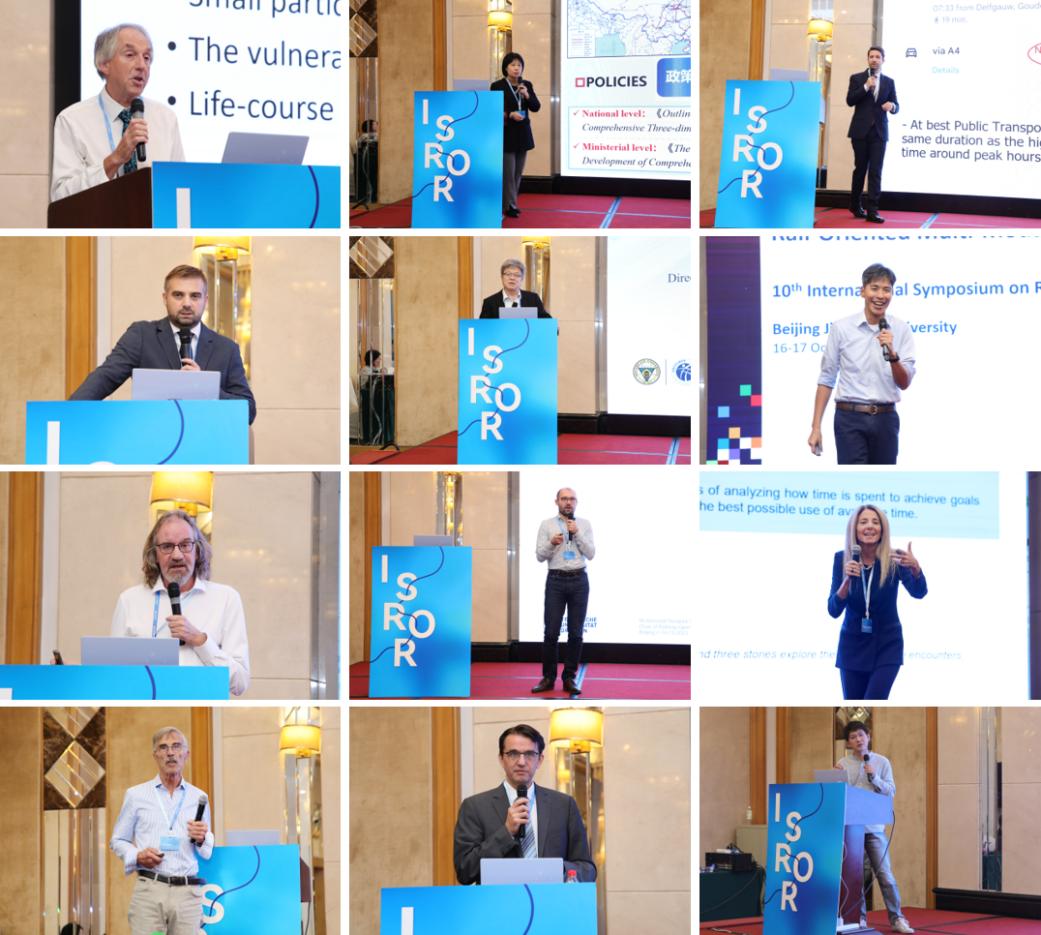
Experts and scholars delivering reports
At the closing ceremony, Professor Tang Yuanjie, Vice Dean of the School of Traffic and Transportation, Beijing Jiaotong University, delivered a speech on behalf of the host. He thanked all the participants, keynote speakers, and volunteers, and pointed out that this symposium, with technology, data, and collaboration as the link, has built a high-level academic exchange and cooperation platform for the global railway operation field. Its achievements will effectively promote the innovative development of railway operation management and multi-modal transportation systems. Professor Tang Yuanjie also announced that the school will successively hold two international academic events: the 12th International Conference on Transportation and Traffic Studies (ICTTS 2026) co-hosted with The Hong Kong Polytechnic University in August 2026, and the 12th International Conference on Railway Operations Modelling and Analysis (RailSanya 2027) co-hosted with Tongji University and Southwest Jiaotong University in April 2027, and sincerely invited scholars from all over the world to participate actively.
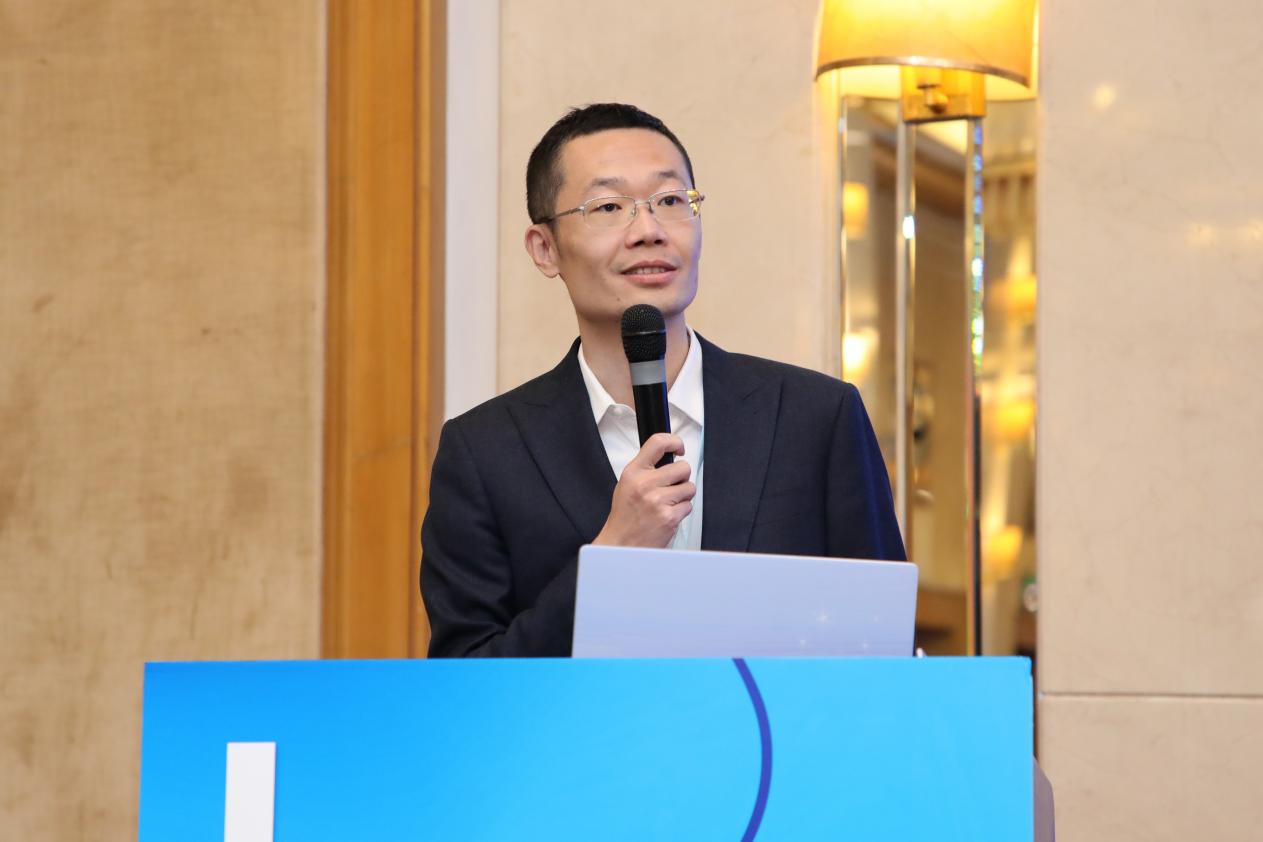
Professor Tang Yuanjie delivering the closing speech
After ten sessions of accumulation, the International Symposium on Railway Operations Research has become an important brand conference in the global field of railway operation and management. The conference has always been committed to promoting academic exchanges, driving theoretical innovation, serving industry practice, and actively contributing to the intelligent, green, and international development of the railway system. The successful holding of this symposium has injected new vitality into the research on railway operation management and depicted a broader blueprint for the coordinated development of the global railway industry.
