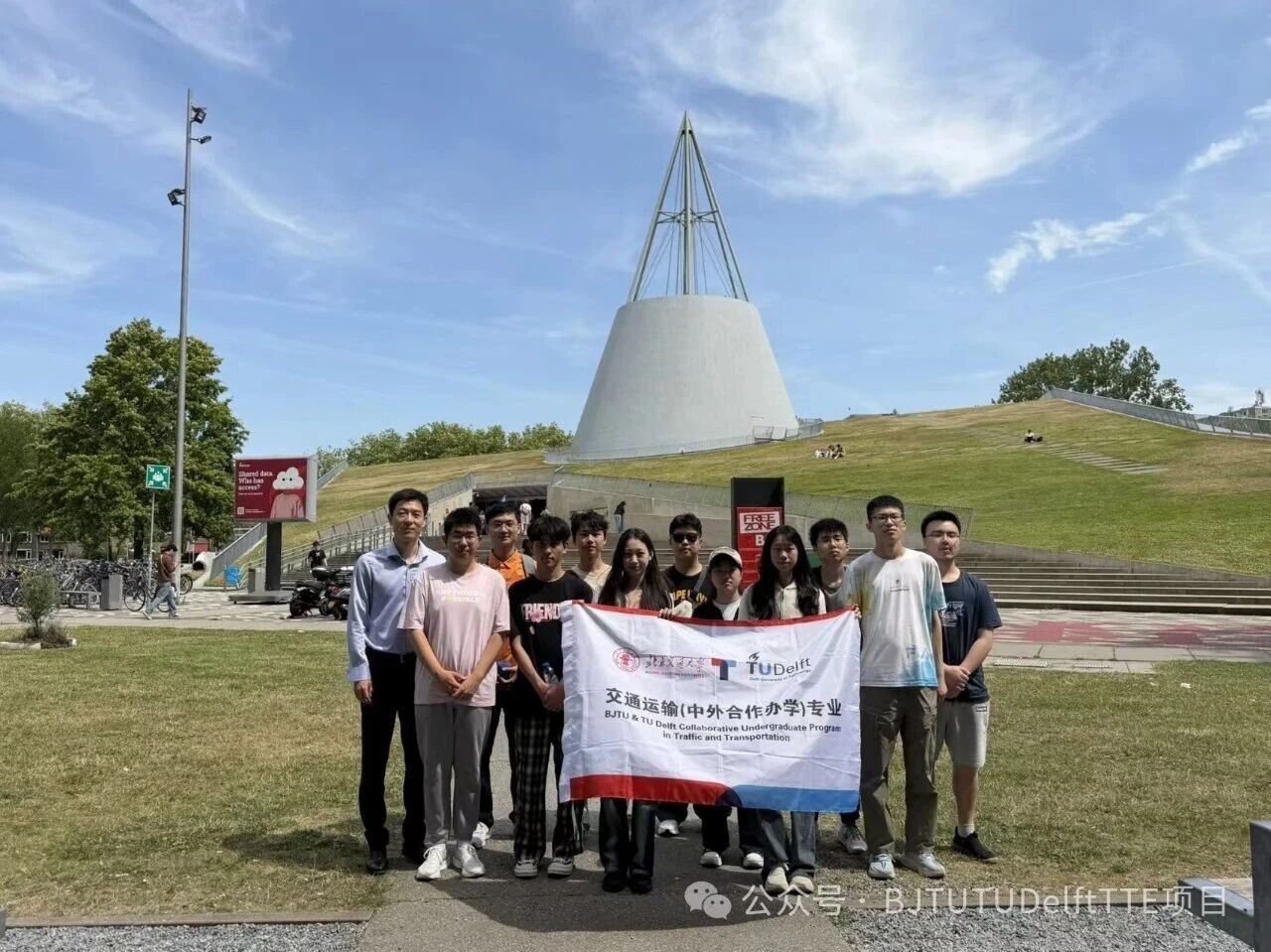
To broaden international professional horizons and enhance the quality of talent cultivation in Sino-Foreign Cooperative Education, the School of Traffic and Transportation at Beijing Jiaotong University organized the 2025 cohort of students from its Sino-Foreign Cooperative Education programs to participate in a seven-day overseas study tour in the Netherlands and Germany, led by faculty members Pan Long and Ma Lu. The study tour focused on the frontiers of global transportation research. The faculty-student group successively visited Delft University of Technology, the Rijksmuseum, Dresden University of Technology, and the Dresden Transport Museum. Through campus exchanges, laboratory visits, and field observation, they acquired an in-depth, immersive understanding of the advanced technological systems and educational philosophies in the transportation field abroad.
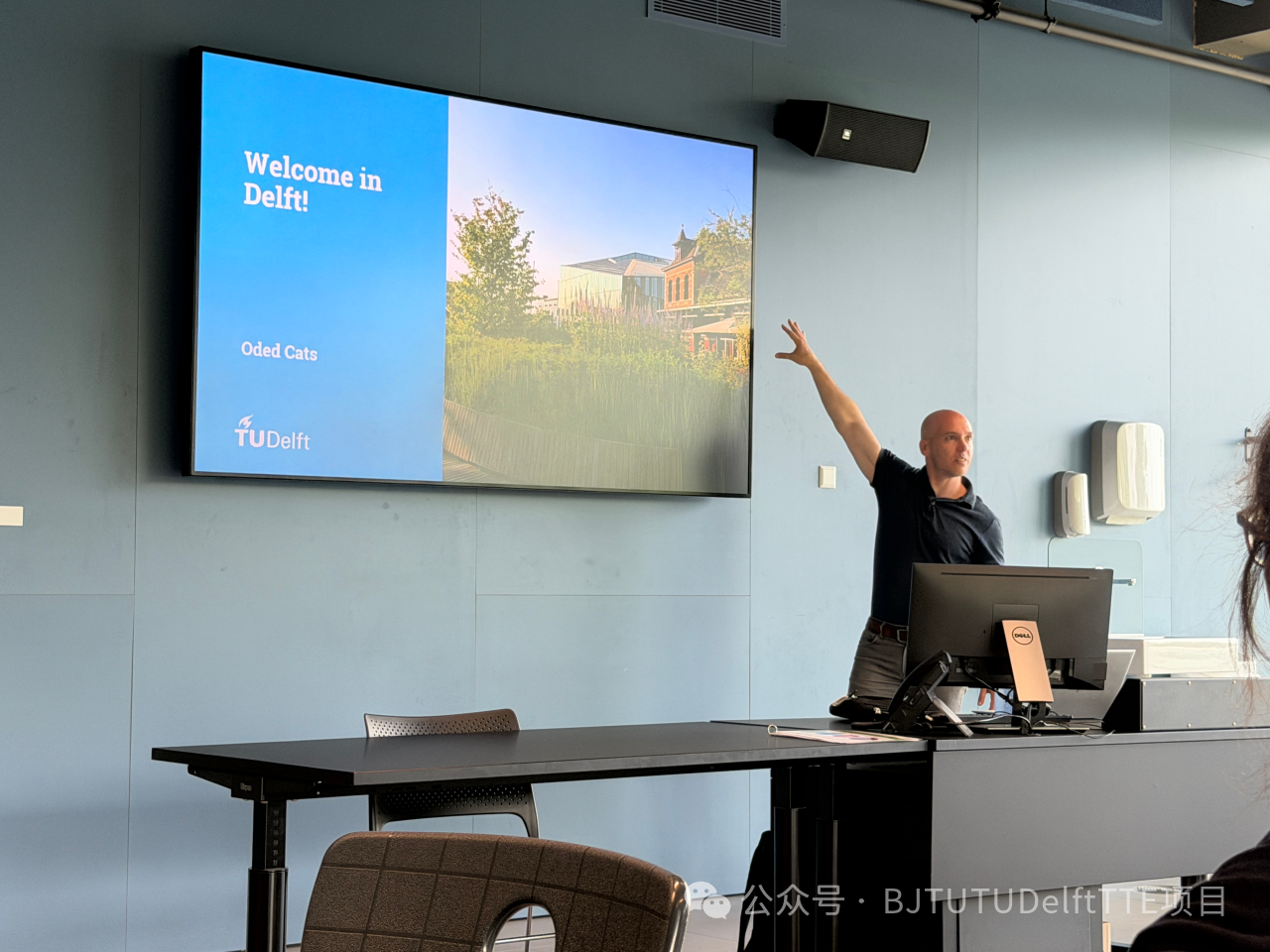
The first stop was Delft University of Technology. At the Echo Building, the two-day in-depth academic exchange officially kicked off. During the welcome ceremony, the host country’s professors presented an overview of the university’s educational framework and its transportation discipline, including course architecture, research spectrum, talent development models, and international cooperation mechanisms. The delegation visited the Intelligent Transportation Laboratory and the Railway Traffic Simulation Laboratory, observing closely the actual operation of cutting-edge research facilities and simulation technologies such as dynamic traffic flow evolution and network simulation. The professors introduced research topics including “Multimodal Transportation Network Optimization” and “Applications of Artificial Intelligence in Traffic Management,” helping the students gain a deeper understanding of the methodological differences and complementarities between Chinese and international transportation research. With its lush greenery, rational minimalist architecture, and focused yet open academic atmosphere, the campus impressed every student with the ethos and culture of a world-class engineering university. One student surnamed Chen said, “Seeing the real-time dynamic evolution of road networks in the simulation laboratory gave me a more intuitive and profound understanding of the essential of traffic systems engineering. This hands-on, direct experience is far more valuable than what classroom teaching alone can offer.”
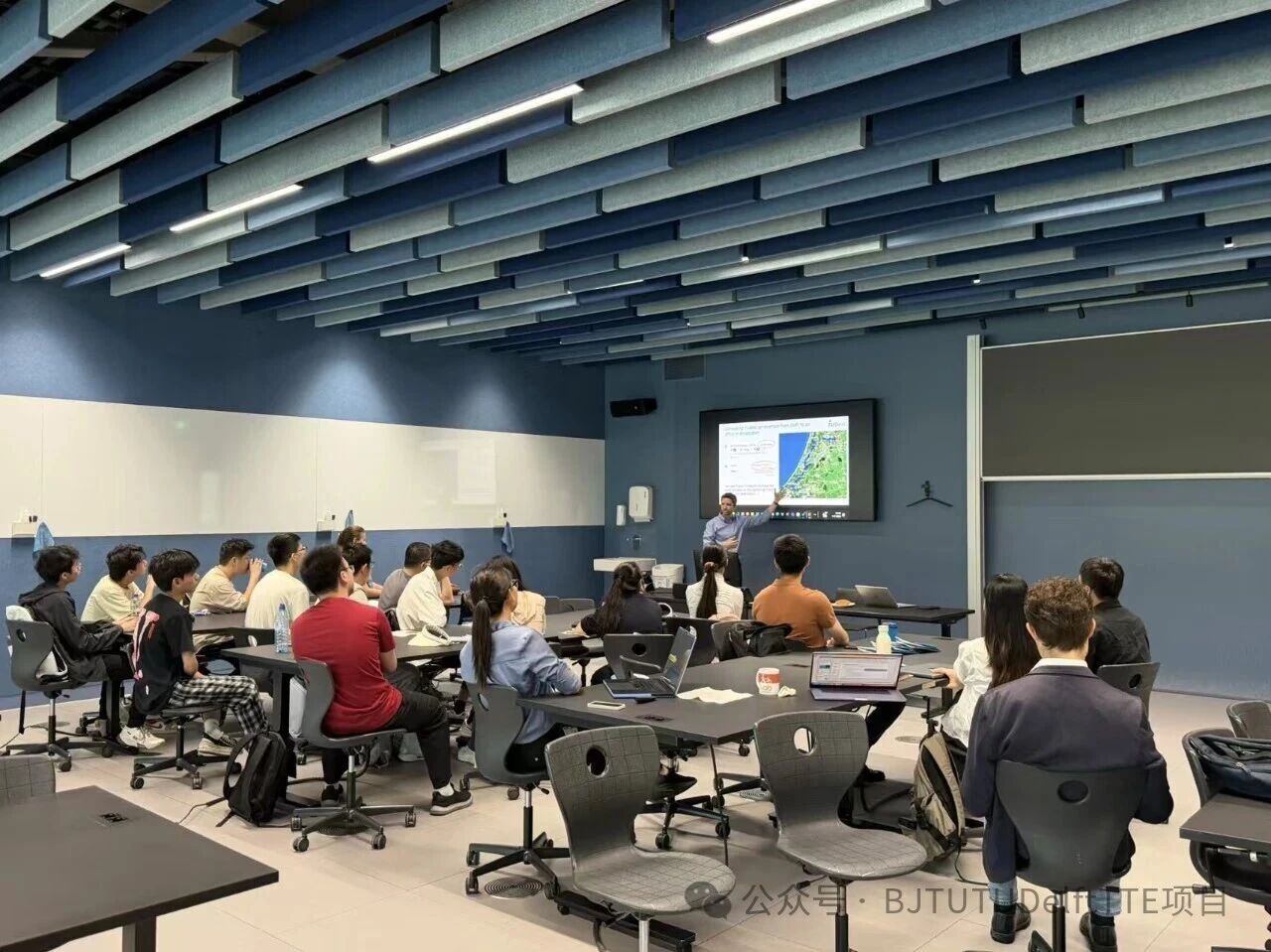
Academic exchanges were not limited to visits and presentations but were also carried out through deeper dialogues. At the symposium the following day, four research teams introduced their latest progress and frontier topics, namely railway operations safety, AI-driven traffic decision-making, traffic flow simulation, and dynamic bus dispatching. Students raised questions and engaged in active discussions, integrating what they had learned in class with real-world issues. In the subsequent student exchange session, two groups communicated honestly about classroom teaching moderation, exam preparation strategies, student club activities, city life, and academic planning. A friendly ping-pong match and interactive icebreaker games further shortened the distance between the two sides and enhanced cross-cultural understanding and friendship.
After concluding the academic itinerary for Delft University of Technology, the group went to the Rijksmuseum. Throughout the galleries where art, industry, and history converge, students not only appreciated rich collections of historical treasures but also learned about the overall development of common European transportation industry in modern times. Many students expressed that the early railway locomotive evidence on display in the museum echoed the intelligent simulation systems in the Delft laboratories, giving tangible expression to the Titles and driven lines that define technological evolution. Through such a dimension of humanity, seeing and experiencing the ordinary structure of urban mobility revealed a deep truth: urban transport progress is embedded in historical contexts and aesthetic sensibilities. Agency and the human spirit jointly shape the emergence of the fundamental form of modern urban spaces.
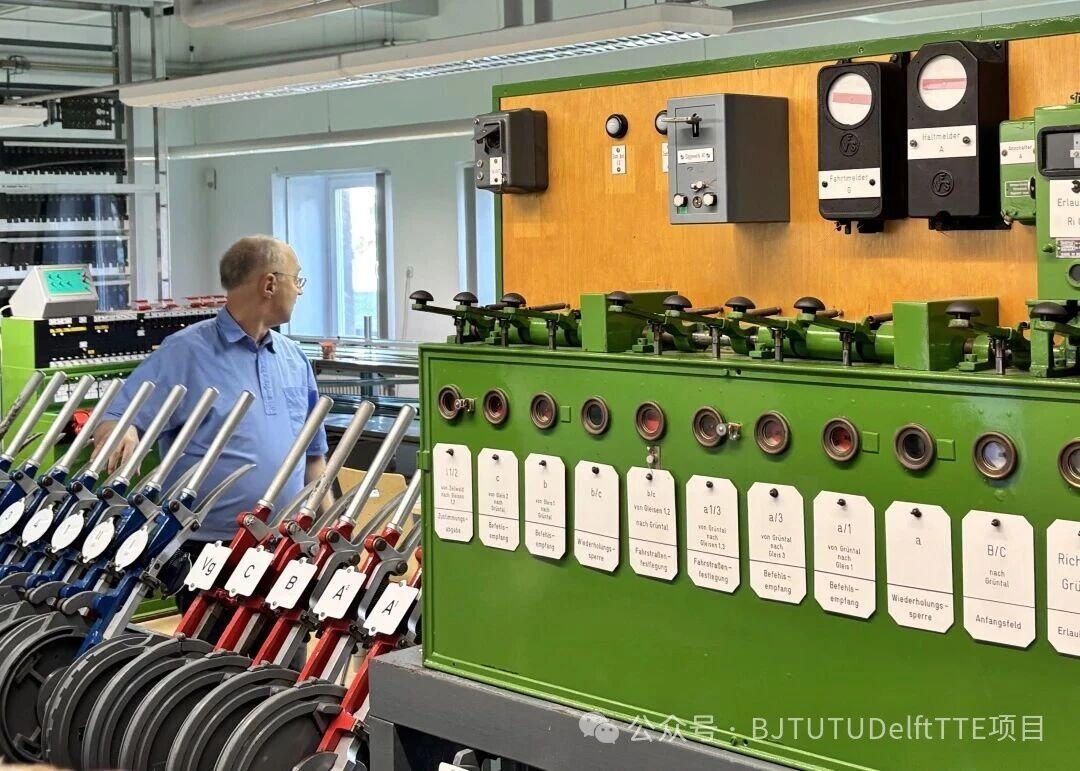
Upon arriving in Germany, the delegation entered the Institute of Transport at Dresden University of Technology. The institute is particularly known for its research strength in rail transit and infrastructure construction and enjoys a high reputation in the international academic community. In the Railway Traffic Operations and Simulation Laboratory, the engineering array of a huge railway scale model immediately captured everyone’s interest. The model represented the direction and layout of a complex multi-line railway hub with remarkable precision. ICE high-speed train models and old passenger rolling noun compose an even intricate, orderly arrangement; the signal lights and switch systems strictly follow the logics of real railway operations. A professor demonstrated on-site the working process of a retractable mechanical signal control console. From manual devices designed a century ago to today’s digital simulation and dispatch operation, the generational evolution of railway signal control technology was vividly presented. The students studied the model in detail: some leaned down to closely inspect the switch structures, some observed and took careful notes on the relationships among signal lights, and many engaged with the professor in active discussion. By operating the mechanisms from their own hands, the students experienced the rigorous and pragmatic academic tradition that has been accumulated in German rail transportation research for more than a hundred years.
The final destination was the Dresden Transport Museum. From the earliest steam locomotives and old trams to modern high-speed trains and smart commuting equipment, the museum’s exhibition route provided a complete narrative of the evolution of land transport from mechanical operation to intelligent management. The teachers and students walked through the exhibition, systematically summarizing the development of railway transit and integrated transportation systems, and became aware that every major technological transformation has deeply affected the broader functioning of cities and nations. This tangible, thick “historical depth” enabled all students to reconsider their academic mission and professional responsibility as students of transportation.
This study tour to the Netherlands and Germany is an important attempt by the School of Transport and Transportation to deepen Sino-Foreign Cooperative Education and promote international talent cultivation. Students introduced their professional findings and research directions in cross-border academic discussions, and improved their comprehensive qualifications through, inter Cuban interactions. Looking ahead, the School will continue to expand international cooperation resources, build more high-level overseas practice platforms, and make unremitting efforts to cultivate interdisciplinary transportation talent with deep professional expertise, broad academic perspectives, and an international outlook. Transportation connects the world, and vision determines one’s future. The School of Transport and Transportation will continue to support every student in navigating the future, steadily and successfully, in the wave of globalization.
